Happening Home

Category

Craft & Technique

20 articles

Before the First Frame: Why Your Festival Trailer Deserves Its Own Cut

Before the First Frame: Why Your Festival Trailer Deserves Its Own Cut

Most micro-budget filmmakers cut the trailer last, treating it as a compressed synopsis with a title card stapled on. But the 60-second festival trailer is its own tiny film, and cutting it before the final sound mix can change how programmers and audiences meet your short. Here is a practical workflow built around one image, one sound cue, and one decision.
Captions Before Color: Designing Accessibility Into the First Cut

Captions Before Color: Designing Accessibility Into the First Cut

A new wave of micro-budget short filmmakers is treating open captions, audio description, and accessible Q&As as creative decisions rather than last-minute fixes. Here is how captioners, programmers, and directors are making it work without a studio budget — and what to build into your 2026 festival submission.

One Roll, Zero Rescues: The Uncut Short as a Director’s Calling Card

One Roll, Zero Rescues: The Uncut Short as a Director’s Calling Card

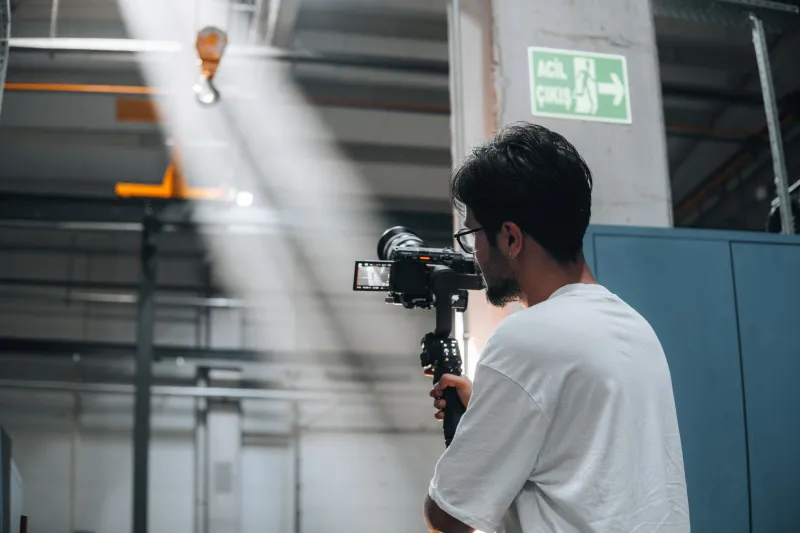
The continuous-shot short is back on the festival circuit, turning micro-budget limitations into white-knuckle cinema. We look at why filmmakers are choosing zero cuts, how they pull it off without a safety net, and what that sweaty, unbroken take says to programmers and audiences.

Eighteen Minutes Before the Feature: The Quiet Return of the Opening Short

Eighteen Minutes Before the Feature: The Quiet Return of the Opening Short

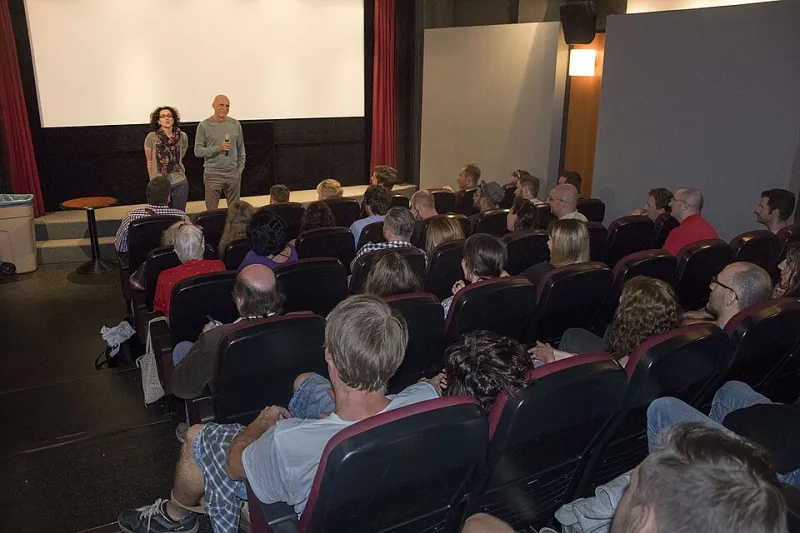
Art-house houses from Tucson to Portland are slipping local shorts in ahead of the main attraction again — and it's changing how filmmakers think about the slot. Here's how programmers pick an opener, what they need from your file, and why audiences are suddenly leaning forward before the feature even rolls.

The Last Hundred Feet: Inside the Booth Where Your Short Meets Its Audience

The Last Hundred Feet: Inside the Booth Where Your Short Meets Its Audience

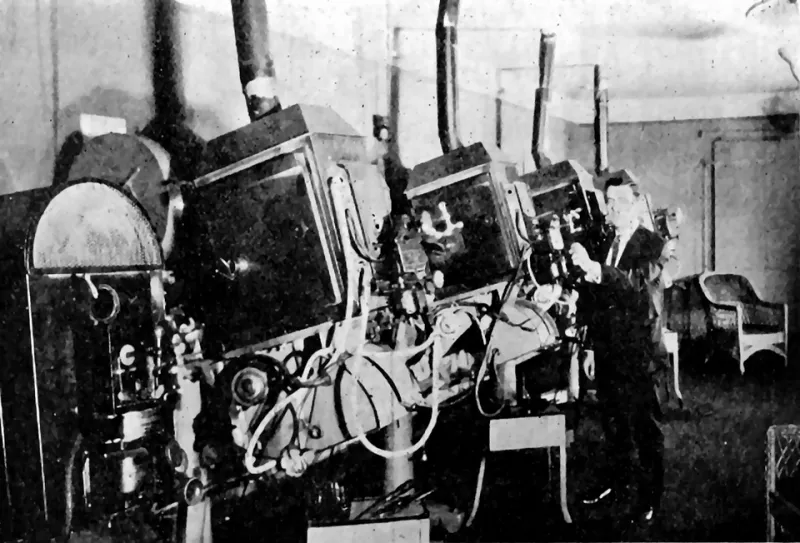
A short film’s final collaborator is often a projectionist with a playlist, a checksum, and twelve minutes to spare. We talked to working booth veterans about DCPs, desperate USB drives, backup rituals, and the small courtesies that keep a screening from turning into lobby whispers.

The Exit Interview You Owe Yourself: A Post-Festival Debrief That Actually Works

The Exit Interview You Owe Yourself: A Post-Festival Debrief That Actually Works

The applause fades, the folding chairs get stacked, and most filmmakers drive home with nothing but a warm feeling and a half-empty water bottle. Here's the case for treating the forty-eight hours after a screening as the most productive part of your festival run — with a checklist you can run the morning after.

The Graveyard Shift Auteurs: Making Movies While America Sleeps

The Graveyard Shift Auteurs: Making Movies While America Sleeps

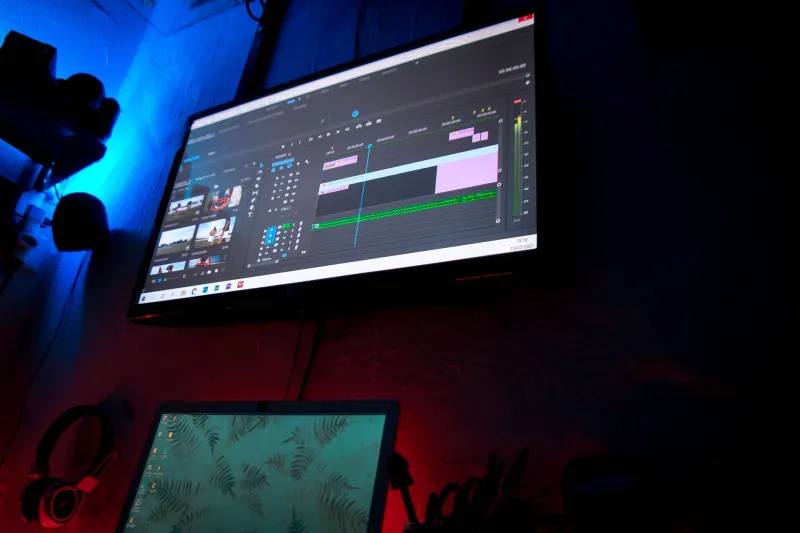
Between the last wave of the render bar and the first alarm of the morning, a whole cinema is being built. We talked to five filmmakers cutting, grading, and sound-designing their films in the margins of full-time jobs — and asked what it costs, and what it gives back.

Ninety Seconds, No Safety Net: The Art of the Accidental Pitch

Ninety Seconds, No Safety Net: The Art of the Accidental Pitch

The most important screening of your film might happen in a festival bathroom line. We talked to programmers, producers, and one very lucky filmmaker about the whispered, sweaty, improvised pitch—and why 90 seconds is all you ever really get.